
Build a Pocket Studio with the Phone You Already Carry
Pocket Studio Foundations
Stability First: Tripods, Grips, and Cages
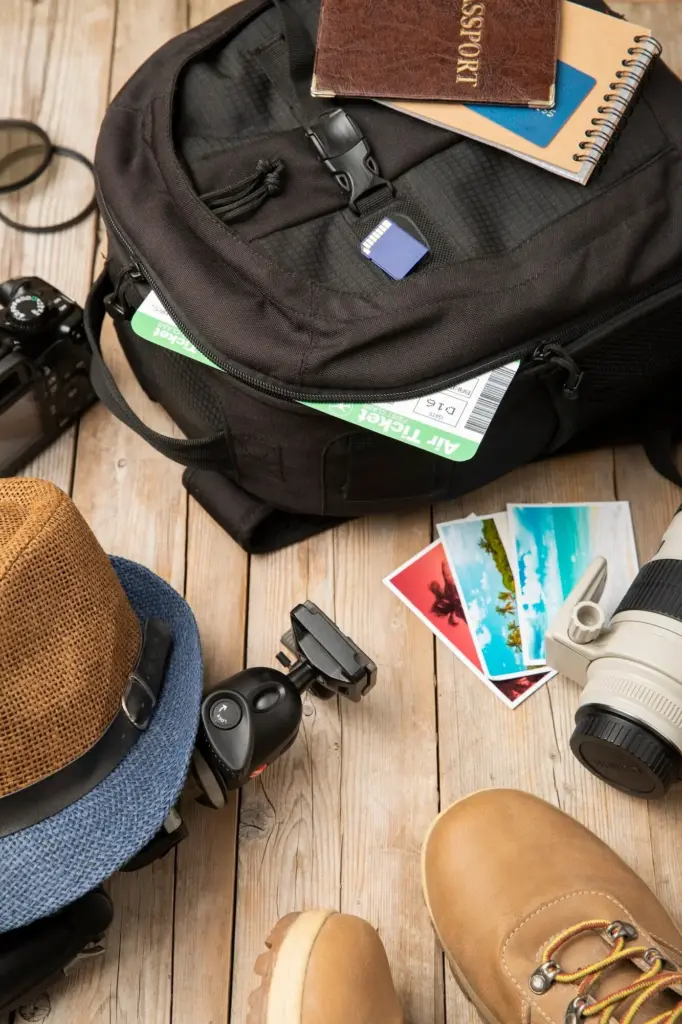
Camera shake ruins detail, so prioritize a sturdy mini tripod or tabletop stand with a ball head for precise angles, then add a wrist-friendly grip to reduce fatigue during longer sessions. A lightweight cage with cold shoes and threaded sockets keeps accessories secure and organized. Pair everything with a remote shutter or timer to eliminate taps, and you will immediately see crisper edges, straighter horizons, and fewer accidental blur streaks.
Light Matters: Portable LEDs and Diffusion
Small LED panels with trustworthy color accuracy transform phone photos. Choose lights with adjustable brightness and color temperature, then soften them using diffusion sheets, frosted plastic, baking parchment, or a simple white t-shirt to tame harsh specular highlights. Bounce light off foam board for broader coverage, and use black card for negative fill that restores shape. Keep fixtures on swiveling mounts so you can fine-tune angles without moving your camera.
Sound You Can Trust: Compact Microphones
Even still photographers benefit from clear audio when recording behind-the-scenes notes or creating short explainers about lighting choices, and it becomes essential for product reels. Use a compact shotgun or lavalier connected with the correct adapter, secure the cable along your rig, and monitor levels with headphones when possible. Good sound elevates perceived image quality, helps clients trust your process, and makes sharing tutorials more engaging and memorable.
Creative Optics on a Budget
Controlling Exposure Like a Pro
Lighting Setups for Any Tabletop
Walking Shots without the Wobble
Car Mounts and Safety
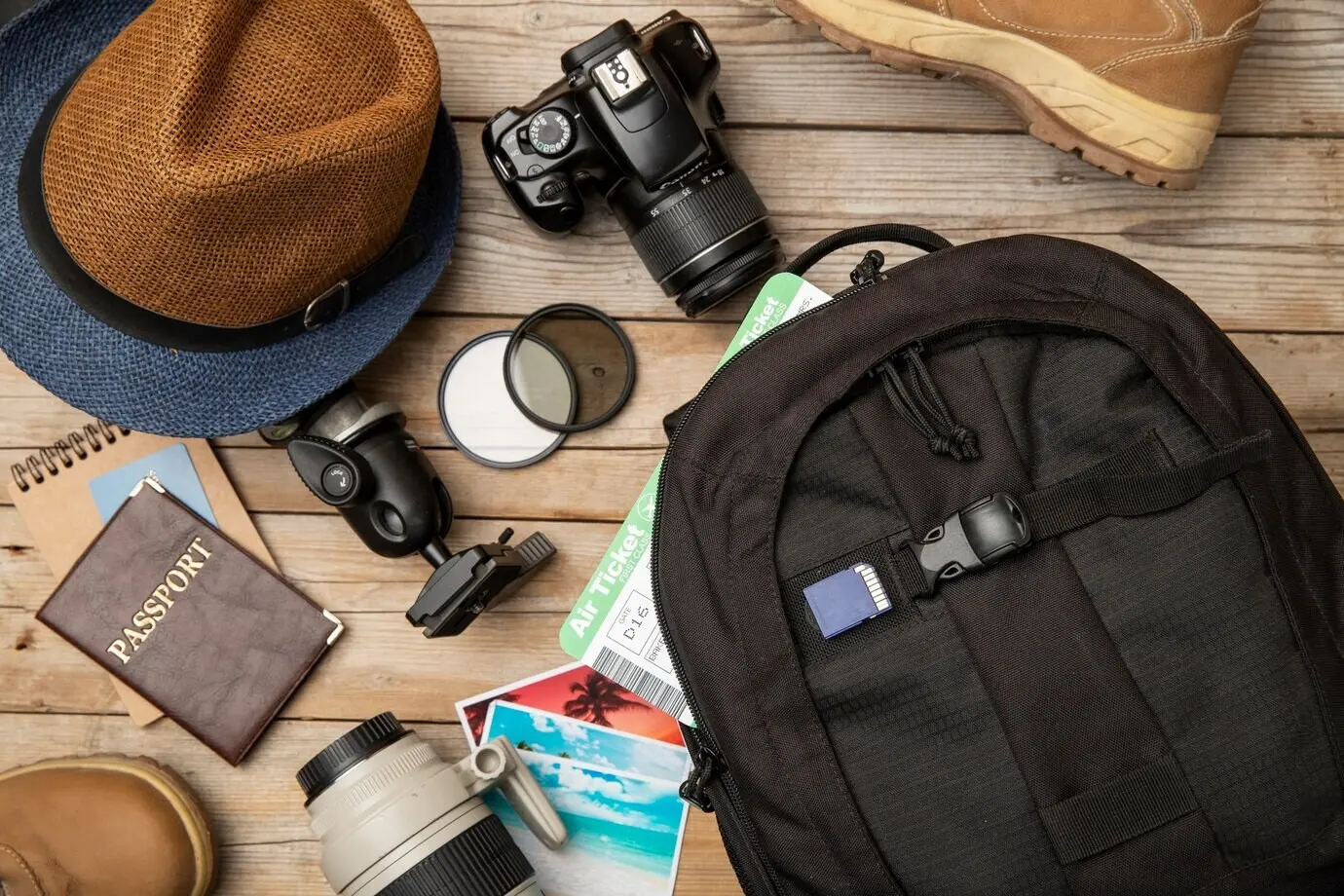
Backpacking Kit That Weighs Less Than a Book
Editing and Sharing Workflow
01
Raw Capture and Non-Destructive Adjustments
Capture in raw or high-bit formats when available to preserve highlight and shadow detail. Organize files by date and project, then edit non-destructively so you can revisit choices later. Start with exposure and white balance, then refine contrast and local adjustments like selective clarity and noise reduction. Save versions for different platforms, and record settings that worked well so you can replicate looks across sessions and devices.
02
Color Grading with Mobile Profiles
Mobile color grading has matured remarkably. Use profiles or LUT-like looks as starting points, then fine-tune hue, saturation, and luminance per color range to protect skin and product tones. Adjust curves gently for contrast, and match shots with a reference still on a second screen if available. Keep a library of subtle variations for different lighting scenarios, and annotate which combinations deliver cohesive galleries that feel intentional and consistent.
03
Publishing, Captions, and Community Feedback
Publishing is part of the creative loop. Export correctly sized files, craft captions that explain how you lit and stabilized the scene, and ask specific questions that invite thoughtful feedback. Tag locations and gear generically to focus on technique, and schedule posts to maintain rhythm. Collect comments, note recurring suggestions, and turn them into future experiments. Encourage subscribers to share their rigs and lessons so the learning compounds.
All Rights Reserved.